

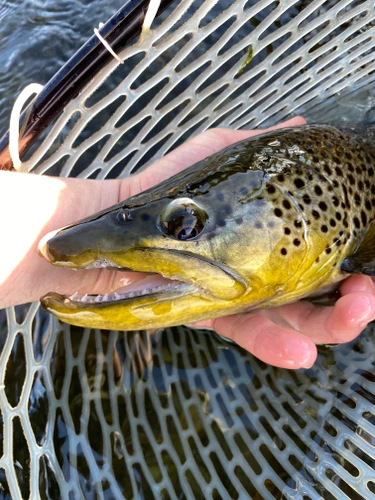
Clark Fork River Fishing Report 11/20/26
The Clark Fork is continuing to provide some of the better big-water fishing opportunities around Missoula as winter weather settles into western Montana. The river above Missoula is running approximately 1,525 cfs, up slightly from Wednesday's reading near 1,510 cfs. Below Missoula, the river is carrying approximately 2,459 cfs. Flows have remained relatively stable, providing dependable holding water around deeper banks, inside bends, and protected current seams.
The most significant development this week is the arrival of another cold weather system. Friday brings clouds and the possibility of snow, with temperatures struggling to reach the upper 30s. Saturday looks similarly cold, with additional snow showers possible. Sunday should remain cloudy, with temperatures near freezing.
These conditions are accelerating the transition toward winter fishing. Trout are increasingly concentrating in deeper, slower areas where they can conserve energy. Look for fish along soft current seams, deeper shelves, protected banks, and slower pools adjacent to faster water.
The Clark Fork can still produce excellent late-season fishing, but anglers should be prepared to adjust their techniques throughout the day. Nymphing will likely be the most consistent approach, with occasional dry-fly opportunities when insects begin moving.
Fall Hatches
BWOs remain the primary mayflies to watch on the Clark Fork. Cloudy afternoons can encourage brief hatches, particularly along softer foam lines and slower tailouts. When trout begin rising, small Comparaduns, parachutes, and emergers are excellent options.
Midges are becoming increasingly important as water temperatures drop. Small Griffith's Gnats, CDC emergers, and midge clusters can be effective when trout are feeding selectively near the surface.
The larger fall hatches are effectively finished. October Caddis are becoming rare, while Mahogany Duns and Hecubas are no longer dependable. Terrestrials have also disappeared from the regular fishing program.
Nymphing should produce the most consistent results. Fish Frenchies, Pheasant Tails, Perdigons, Zebra Midges, and small BWO nymphs through deeper seams and slower buckets. In clear water, careful presentations and lighter tippet may improve success.
Streamer fishing remains an excellent option for targeting larger fish. The Clark Fork offers plenty of deeper banks, shelves, and drop-offs where Sparkle Minnows, Peanut Envies, Kreelexes, and small articulated patterns can produce. The colder weather may require slower retrieves or a controlled swing rather than aggressive stripping.
Weekend Outlook
The approaching winter weather will make fishing more challenging, but Saturday's clouds and snow showers could provide favorable low-light conditions. Expect a shorter feeding window, with the best opportunities from late morning through mid-afternoon. Nymphing should remain dependable, while streamer fishing can still produce quality trout.
What's Working
Dry Flies
-
BWO Comparaduns #18–22
-
BWO Emergers #18–22
-
BWO Parachutes #18–22
-
Film Critics #18–22
-
Griffith's Gnats #18–24
-
CDC Midge Emergers #18–24
-
Parachute Adams #18–22
Nymphs
-
Pheasant Tails #16–20
-
Frenchies #14–18
-
Perdigons #16–20
-
BWO Nymphs #18–22
-
Zebra Midges #18–22
-
Caddis Pupa #14–18
-
Prince Nymphs #12–16
-
San Juan Worms
Streamers
-
Sparkle Minnows
-
Peanut Envy
-
Kreelex
-
Mini Dungeons
-
Thin Mints
-
Sculpzilla
-
Woolly Buggers
-
Small Sculpin Patterns